https://vimeo.com/112729894
Just goes to show that you can have a lot of fun making a NO BUDGET music video and not have to constantly be making videos about two people in love.
https://vimeo.com/112729894
Just goes to show that you can have a lot of fun making a NO BUDGET music video and not have to constantly be making videos about two people in love.
This is your final chance to submit your short films. The deadline is on Monday 15th December, so hurry!!! I am submitting my films already.
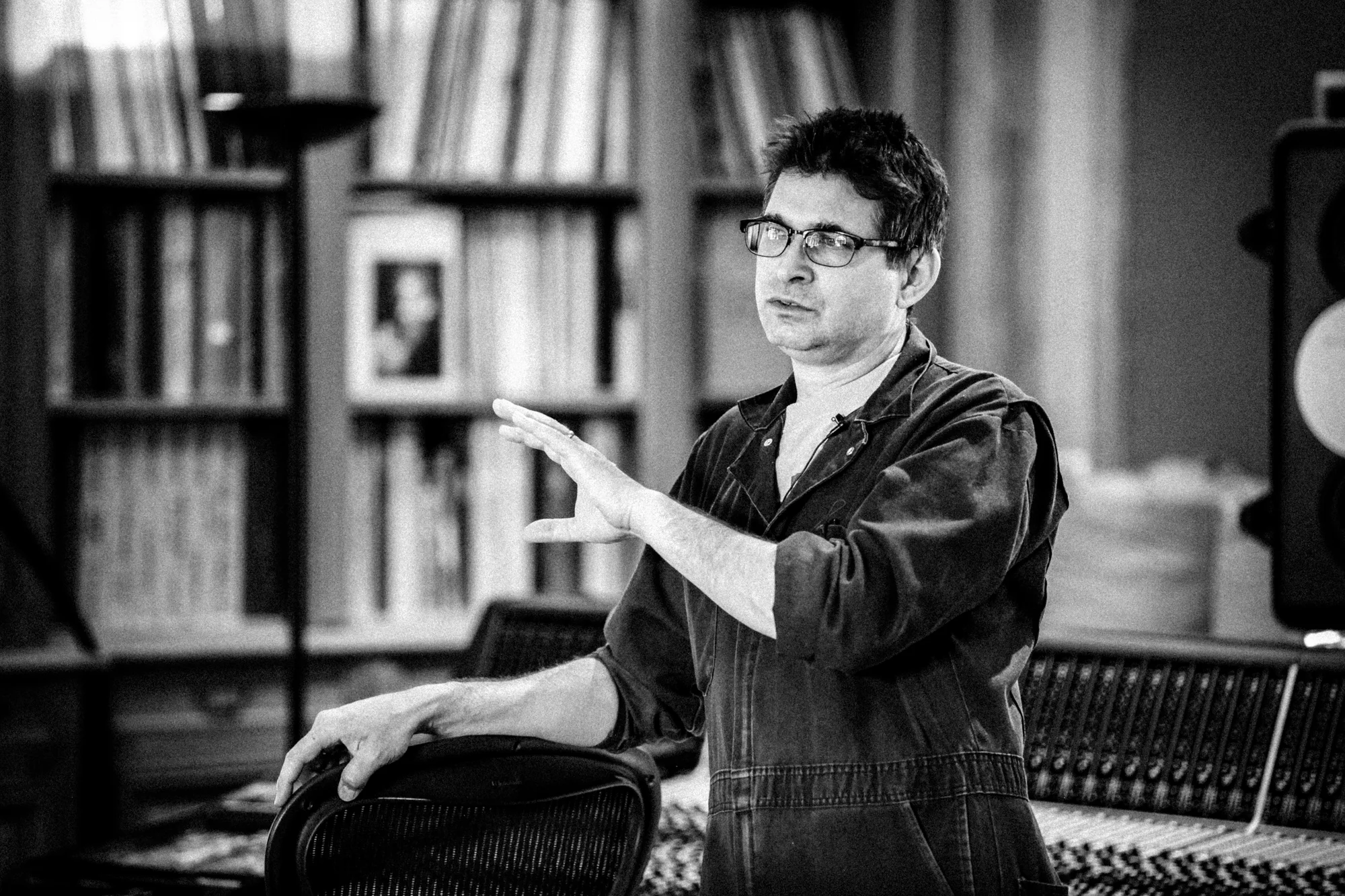
So as you can tell from the heading this is beginning to get very technical in terms of setting up the C100's
Although this page has several "how to tutorials" that could be useful to us all.
For my independent practice I've been researching the various ways to use Black and White to add meaning to a picture, but also how to use it technically as well, what I've discovered has been eye opening.
Due to B&W not being the most commonly used format in film making today there hasn't been much to find online that will help me in film making, but I have been able to find a lot in regards to photography, of which it is still very popular. Firstly, black and white still picks up colour information even though it doesn't show them on screen, so red might be a darker shade of grey than blue for instance, so adding colour filters to the camera or in post can create some fantastic creative pathways. If you use Red as your primary filter, Blues become much darker, but Reds become much lighter.
During the silent film era the actors that you see wearing make up probably weren't just covered in standard Black eyeliner, in fact it was probably more likely that they were wearing whatever makeup worked the best with the colour filter on the lens, which lets the audience build up a different impression of them simply dependent on their colour.
For my film, which includes Red Blood, I want to make the blood come out like it is strong, bold and violent, so I think that by adding a Green colour filter it will give me the best contrast between yellowy skin which will come out a sharp white and red that will appear very dark and threatening.
http://www.photographymad.com/pages/view/using-coloured-filters-in-black-and-white-photography
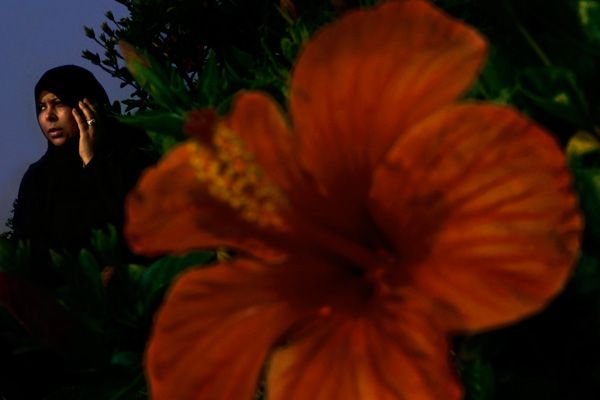
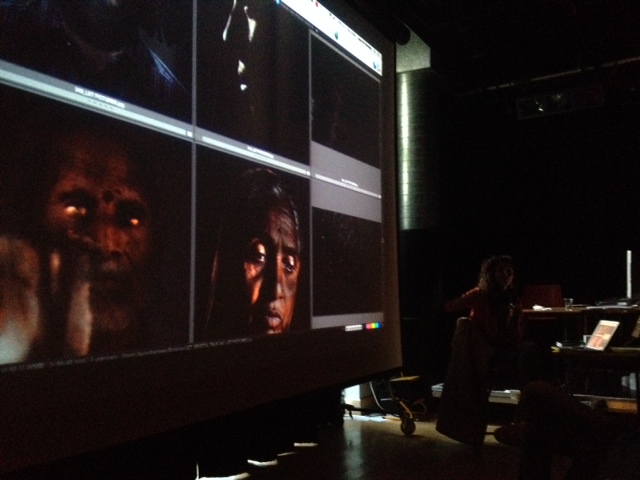
Very Inspirational talk by Laura El Tantawy today at University Campus, Weston College.
Laura El-Tantawy is an Egyptian photographer. She was born in Worcestershire, England to Egyptian parents & grew up between Saudi Arabia, Egypt & the US. In 2002, she started her career as a newspaper photographer with the Milwaukee Journal Sentinel & Sarasota Herald- Tribune (USA). In 2006, she became freelance so she could focus on pursuing personal projects. She is a graduate of the University of Georgia in Athens, Georgia (USA) with dual degrees in journalism & political science.
Laura discussed her path into photography and her choice to focus on personal projects rather than assignment work. “It’s important for me to maintain my sense of independence as a photographer. There is more than one road to doing so and given the nature of the profession and the sheer number of photographers versus work, it is important to understand who you are and what your work represents amid this influx of imagery in order to find your place,” she says. Her talk focussed on her long-term project “In the Shadow of the Pyramids”, with pictures spanning 2005-2014 covering the political and social upheaval in Cairo’s streets along with her personal search for identity in a changing country. The book is being published by Dewi Lewis and due for release in late January 2015.
Visit her site below to see her work
In The Shadow of The Pyramid is Laura El-Tantawy's photography project of Egypt during the Arab Spring. "I am an Egyptian citizen. For the first time in my life I feel hope. The popular revolution of January 25, 2011 revived a long lost sense of pride & dignity for Egyptian people & its implications are reverberating across the Middle East.
Hindu scriptures say a person who commits suicide becomes part of the spirit world, wandering the earth until he/she would have normally died. Over the past 15 years, more than 250,000 farmers have committed suicide in India. Many had borrowed money through government lending schemes or private lenders to plant more efficient crops, but could not pay off their debts. Because of the extremely fast transition India has undergone — from a rural to an industrial, urban economy with an open market — farmers have been confronted by immense social and economic problems. This has especially impacted cotton farmers in the state of Maharashtra. “I’ll Die For You” explores the epidemic of farmer suicides using still photography, video and archival documents. The project takes as its focus the peculiar bond between man and land, a relationship unique to farmers given their reliance on the land for livelihood and the equal reliance of the land on farmers for survival. It's a relationship based on love, trust and nurturing and goes far beyond the customary attachment one has with his/her source of livelihood. This relationship is symbolically represented in close up pictures from farmer's skin juxtaposed against details from the landscape photographed in a way that attempts to blur the distinction between man and land to show in this environment the land and its inhabitants are one and the same: When one dies, so does the other. This short film is my window into film making. It is narrated by farmers who experienced the suicides first hand as it was imperative for me to attach a face and voice to this story - to humanize the issue and bring it to the attention of a global audience given the story remains largely under documented in the international media. copyright 2013 © Laura El-Tantawy / VII Photo Mentor Program